
The biggest hesitation about booking an off-season week here isn’t the weather or the water — it’s a quieter worry that’s harder to search for: will anything actually be open?
Nobody wants to drive three hours to a beach town that’s boarded up. So here’s the honest, specific answer: Emerald Isle in fall and spring is not a ghost town, but it is a quieter version of itself, and knowing exactly what scales back — and what doesn’t — makes planning a shoulder-season trip far easier.
The Short Answer
Emerald Isle stays open and functional year-round. It is a residential beach town, not a seasonal tourist strip that shutters after Labor Day — the difference between this island and a place built entirely around summer crowds. What changes in the off-season is hours and density, not whether things are open at all.
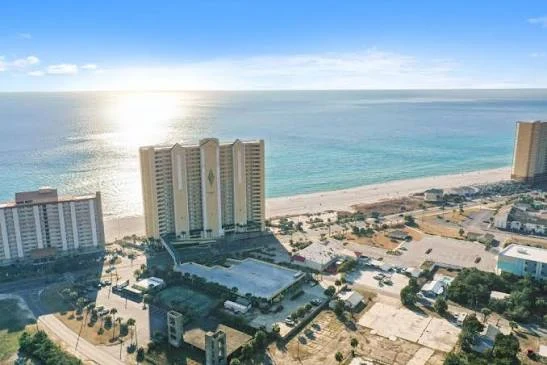
- The island itself never closes — you can drive on, park, and walk the beach any day of the year
- Grocery stores, pharmacies, and gas stations run normal year-round hours
- Most restaurants stay open, though a portion trim their weekly hours or close one or two days
- A handful of seasonal-only businesses do close for winter specifically, reopening in spring
- The Aquarium, Fort Macon, and other regional attractions run year-round
What Stays Fully Open
These operate close to normal hours regardless of season:
- Grocery stores in Morehead City — full hours, fully stocked, no seasonal changes
- Bogue Inlet Pier — open year-round, and fall is arguably the best fishing of the calendar, covered in our fall fishing guide
- NC Aquarium at Pine Knoll Shores — open daily year-round with the same exhibits, and considerably less crowded than a summer weekend — see hours and what to expect
- Fort Macon State Park — the fort itself and the park grounds stay open year-round, free admission unchanged
- Beaufort’s waterfront and the maritime museum — open year-round, and a fall visit means walking the boardwalk without the summer foot traffic — full day-trip details
- Cape Lookout ferries — most operators run reduced but consistent fall schedules; worth checking exact days directly with the ferry service before planning around it — full ferry logistics
What Scales Back
This is where a little planning helps:
- Restaurant hours shorten. Many places trim from seven days to five or six, and some close earlier in the evening once daylight saving time hits. Calling ahead before a fall dinner out is a good habit rather than assuming July hours still apply.
- A few businesses close entirely for winter. Certain seasonal shops, some ice cream and beach-gear rental spots, and a handful of summer-only eateries shut down between roughly November and March, reopening in spring.
- Lifeguard coverage ends. Regional beach accesses are staffed with lifeguards through the summer season only — swim with the same open-water awareness you’d use anywhere unguarded, particularly outside the flagged hours of peak season.
- Some tour and rental operators reduce availability. Bike rentals, kayak outfitters, and similar seasonal services may run limited hours or require advance booking rather than walk-up service.
None of this adds up to “closed” — it adds up to “call ahead,” which is genuinely all the extra planning a fall trip requires.
Fall vs Spring: Which Is Busier
Slightly different pictures:
- Fall (September–October) still carries some momentum from summer — more places stay open longer into the season than they will by January, and the warm water pulls a modest wave of visitors who know the secret.
- Late fall through winter (November–February) is the quietest stretch — this is when the seasonal closures are in full effect and the island runs at its most residential.
- Spring (March–May) rebuilds gradually — by April most seasonal businesses have reopened ahead of the summer rush, even though the water itself isn’t reliably swimmable yet.
If having a full range of restaurants and activities open matters more to you than water temperature, September and early October are the sweet spot — warm water and most of the town still humming.
What This Means for Planning a Trip
A few practical habits make an off-season week run smoothly:
- Stock the kitchen well on arrival. With restaurant hours shortened, cooking at the rental becomes the default rather than the backup plan — which most guests do anyway, given the island’s small restaurant count even in summer.
- Call ahead for dinner reservations, especially on weeknights when a restaurant might close earlier than expected.
- Check ferry schedules for Cape Lookout directly before building a day around it, since fall schedules run on reduced but specific days.
- Don’t expect nightlife. Off-season evenings here are quiet even by Emerald Isle’s normal low-key standard — which is either exactly what you’re after or a mismatch worth knowing in advance.
The Trade Worth Making
What you get in exchange for a slightly shorter restaurant list and no lifeguard on duty: empty beaches, water that’s often still warm enough to swim, rates roughly half of peak summer, and a version of the island that feels unmistakably like a place people actually live, not a place built purely for a crowd. For most off-season visitors, that trade isn’t close.
An oceanfront rental makes the “what’s open” question matter even less, since the property itself — kitchen, deck, direct beach access — is doing most of the work regardless of what’s happening in town that week. Both units together work well for a fall group trip precisely because you’re not relying on the island’s businesses to entertain everyone; the house and the beach do that.
Check open fall and spring dates and book direct — no platform fees, and you’ll have the full property to yourselves in the quiet season.